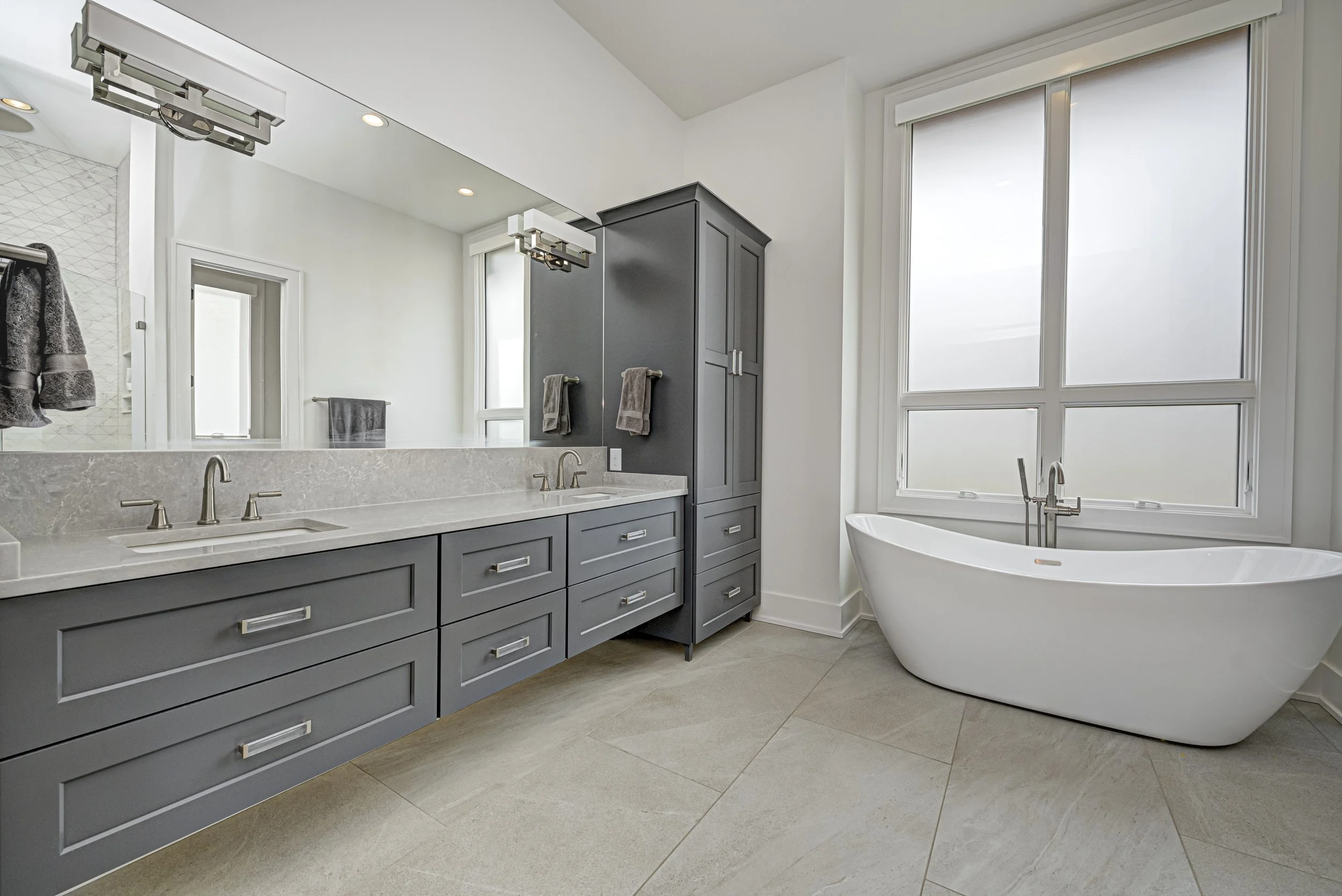
Ask a homeowner two years after a remodel what they would change, and storage comes up more than anything else. It is also the easiest thing to get right, because unlike style it can simply be measured.
Start with an inventory, not a wish
Before deciding how many cabinets a room needs, measure what has to go in them. Linear feet of hanging clothing. Number of dinner services. Sports equipment, luggage, seasonal decorations. Most people are surprised, usually in the direction of needing more.
A working rule
Take the volume you actually own, then add roughly a quarter. That margin absorbs the things you acquire over the following decade and stops every cupboard sitting at capacity from the day you move back in. Storage that is completely full is functionally the same as storage that is too small.
Put it where the activity is
The best storage sits within reach of where the item is used. Linens near the bathrooms. Coats and shoes at the door people genuinely come through, not the one on the plan marked entry. Cleaning supplies on every floor rather than in one basement cupboard.
Depth matters more than width
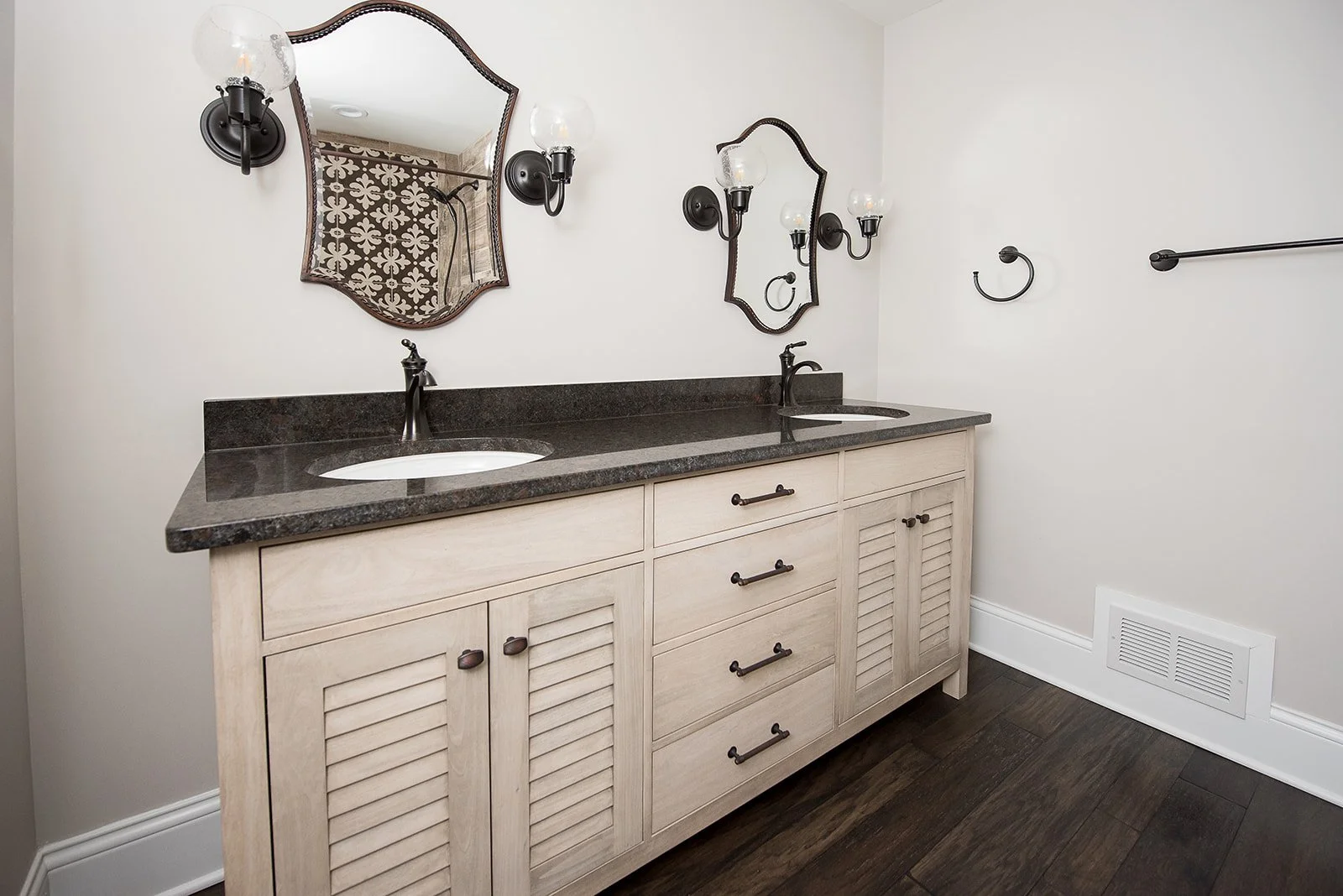
A deep cabinet holds a great deal and hides most of it. Shallower runs, drawers rather than doors below the counter, and pull-outs in any cabinet deeper than sixteen inches will do more for daily life than another few feet of run.